

19th November 2025 — Nairobi, Kenya
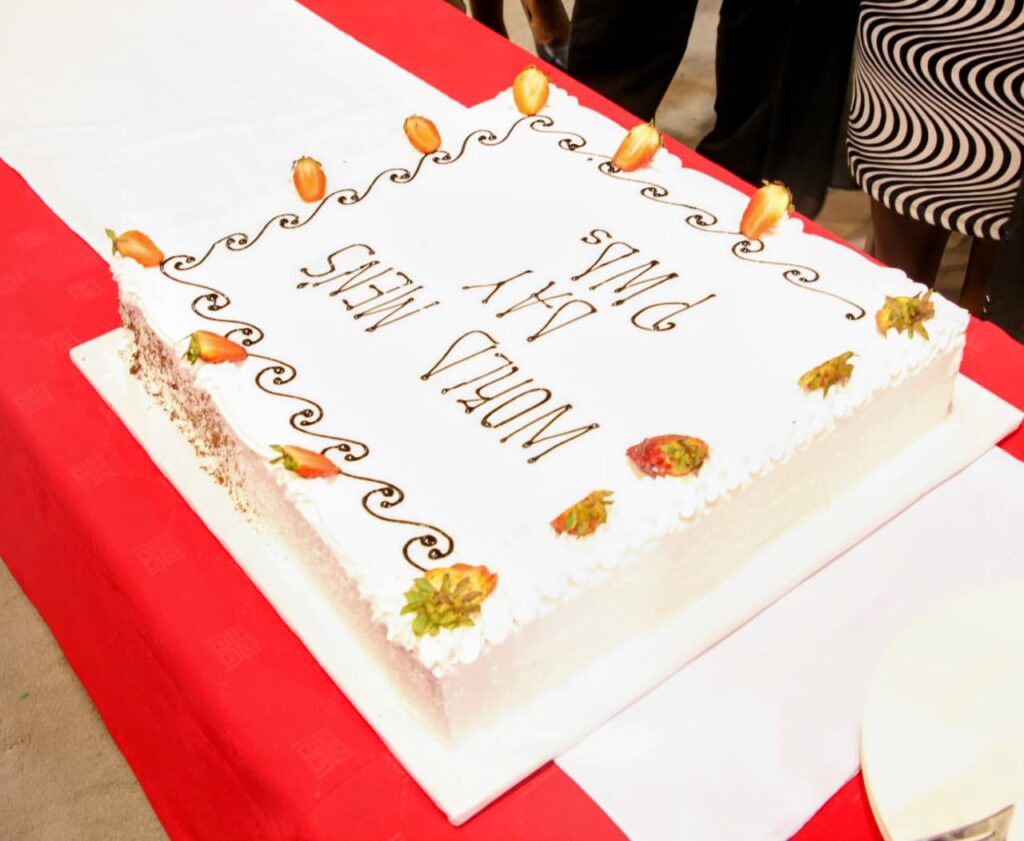
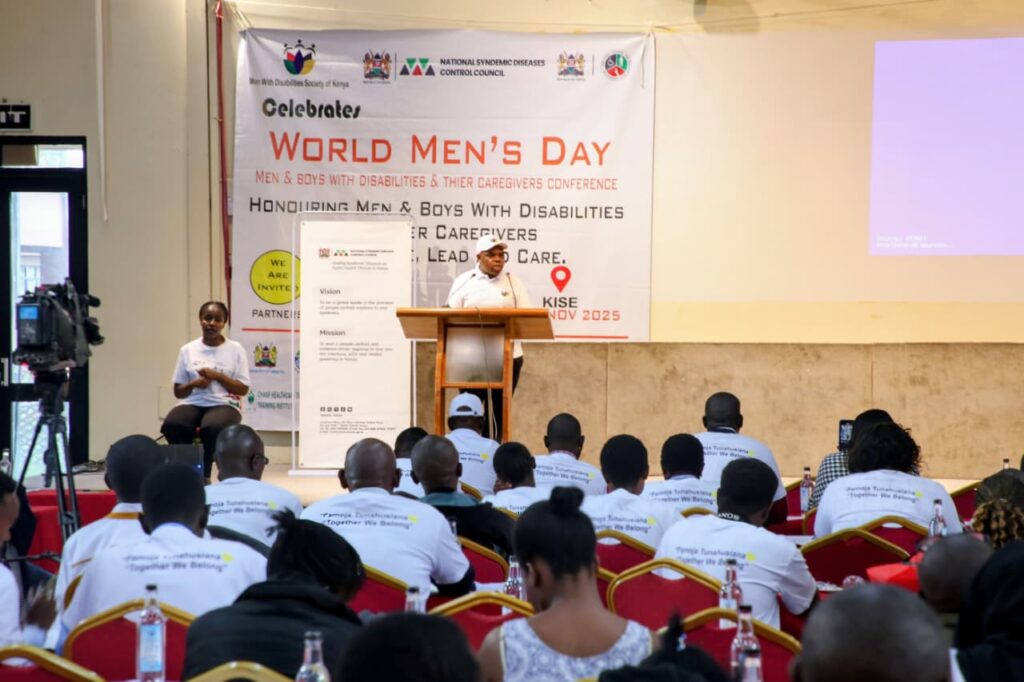
Consolation East Africa (CEA) proudly joined national partners in celebrating World Men’s Day 2025 at the Kenya Institute of Special Education (KISE). This year’s theme, “Honoring Men and Boys with Disabilities and their Caregivers Who Inspire, Lead, and Care,” brought together a powerful coalition of national leaders, advocates, caregivers, and organizations committed to disability inclusion and human dignity.
The event was spearheaded by key stakeholders including the National Syndemic Diseases Control Council (NSDCC)—the main sponsors, county government representatives, the Ministry of Health, UPDK, AMREF International, MDSK, the National Council for Persons with Disabilities, religious leaders, disability institutions, civil society organizations, caregivers, and youth groups.
Recognizing Men and Boys with Disabilities: A Call to Visibility and Dignity
World Men’s Day 2025 at KISE served as a reminder that men and boys with disabilities are at the heart of Kenya’s inclusion agenda. They navigate unique challenges, ranging from stigma, mobility barriers, limited employment opportunities, and lack of accessible healthcare to invisible mental health struggles.
Many boys with disabilities grow up internalizing silence, being told to “be strong” even when facing social exclusion or emotional distress. Men with disabilities, too, often shoulder responsibilities without adequate psychosocial support, adaptive tools, or recognition of their contributions.
This year’s celebration intentionally shifted that narrative.
Speakers emphasized that men and boys with disabilities deserve not only visibility but also equal opportunities, psychosocial support, and access to dignified lives. They highlighted the need to strengthen systems that protect them, empower their talents, and position them as leaders within their communities.
Caregivers: The Backbone of Support, Compassion, and Possibility
A significant focus of the event was the acknowledgment of caregivers—parents, siblings, spouses, guardians, and community supporters who ensure that persons with disabilities thrive.
Caregivers often operate behind the scenes, balancing emotional labor, financial strain, physical demands, and societal misconceptions. Their compassion keeps families stable. Their advocacy drives social change. Their presence gives hope.
Speakers celebrated caregivers as inspiration, leaders, and pillars of resilience, calling for increased caregiver support, mental health services, and government-led social protection programs.
Mental Health: Breaking the Silence for Men and Boys with Disabilities
Mental health emerged as one of the strongest themes throughout the event.
Men and boys with disabilities face higher risks of:
-
Social isolation
-
Depression and anxiety
-
Low self-esteem
-
Violence and discrimination
-
Inadequate mental health services
The celebration underscored the urgent need for culturally sensitive, accessible, and youth-friendly mental health programs, including counseling, peer support networks, community outreach, and caregiver psychosocial support.
It also highlighted that mental health must be part of mainstream disability programming and not an afterthought.
Youth Inclusion: Inter-Generational Partnerships for a Better Future
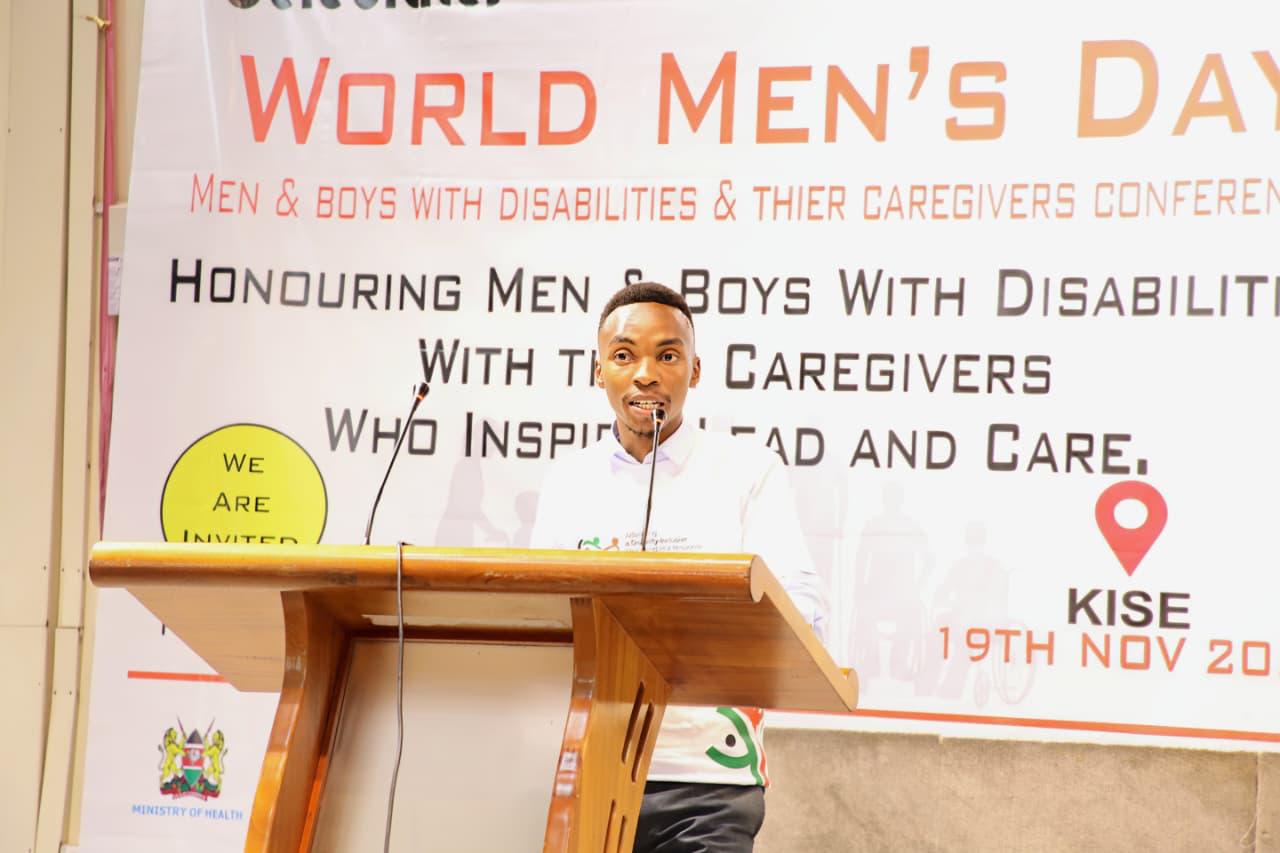
CEA was represented by its Executive Director, Victor Adula, who delivered a dynamic speech on youth inclusion. His message emphasized that youth are not only the leaders of tomorrow but partners in leadership today by working alongside elders, caregivers, and men with disabilities to advance dignity and rights.
While his speech sparked strong engagement and opened doors for new partnerships, the broader takeaway was clear: an inter-generational, collaborative movement is needed to transform the lives of men and boys with disabilities nationwide.
Building Momentum Toward the National Conference on Men and Boys with Disabilities
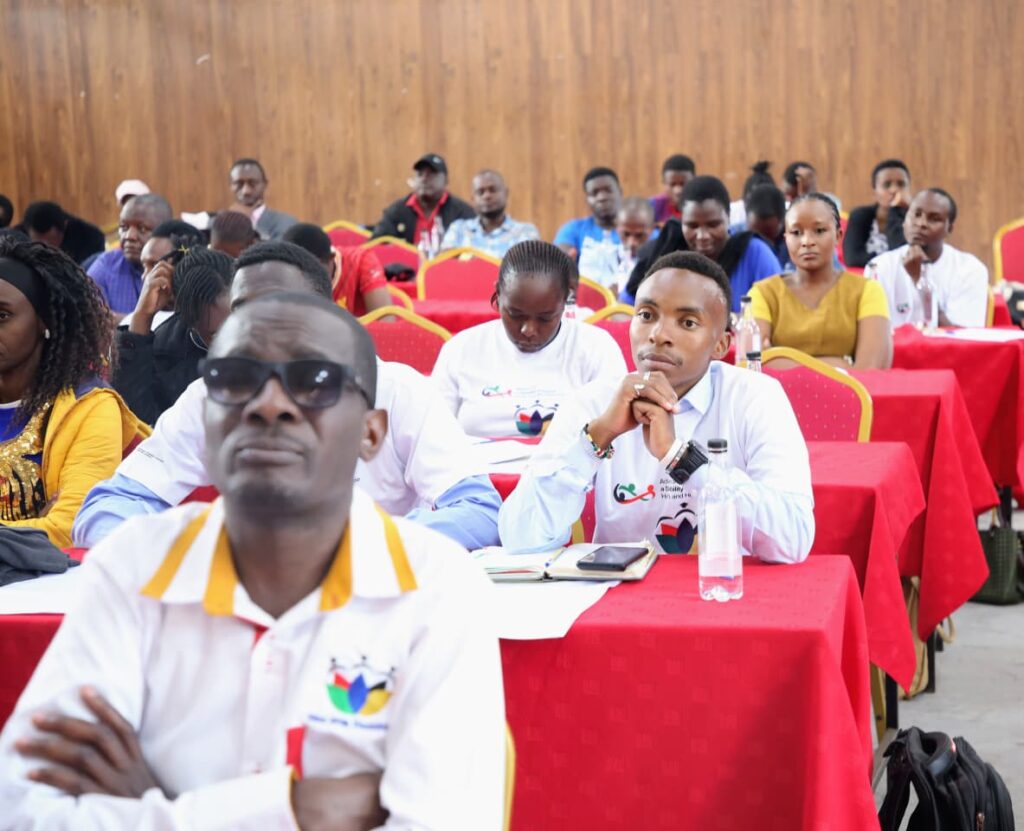
The event served not only as a celebration but also as a strategic stepping-stone toward the upcoming National Conference on Men and Boys with Disabilities. Partners reaffirmed their commitment to:
-
Strengthening inclusion policies
-
Expanding economic and education opportunities
-
Improving accessible health services
-
Supporting caregivers
-
Championing the Nairobi Declaration on Men with Disabilities
-
Advancing the MDSK 2025–2030 Strategic Plan
This collective dedication reflects a future where men and boys with disabilities are recognized as full participants in national development.