

From parallel systems to integrated care – what must be protected as the country transitions
By Richard Muko, Solomon Wambua, Victor Adula
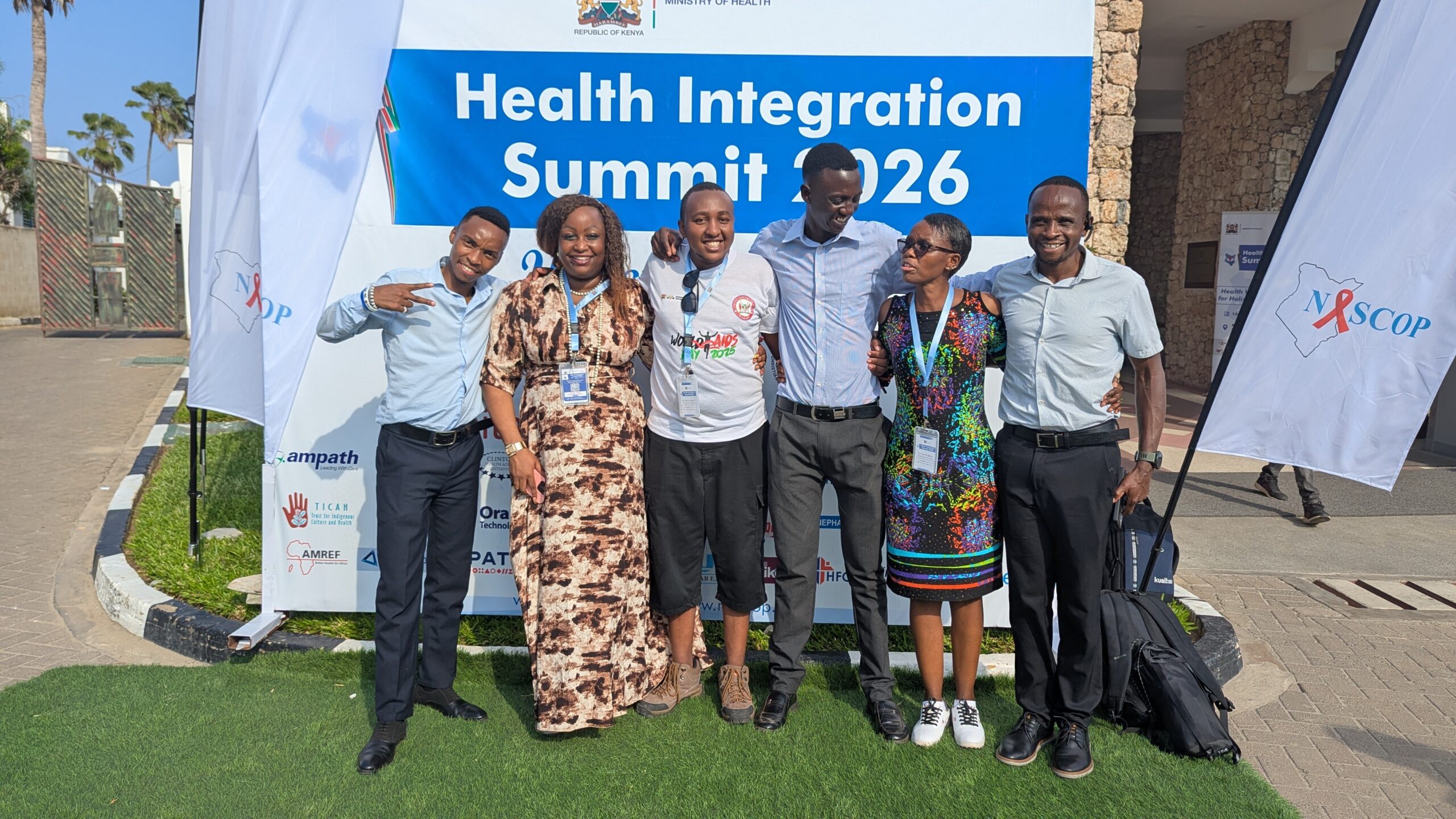
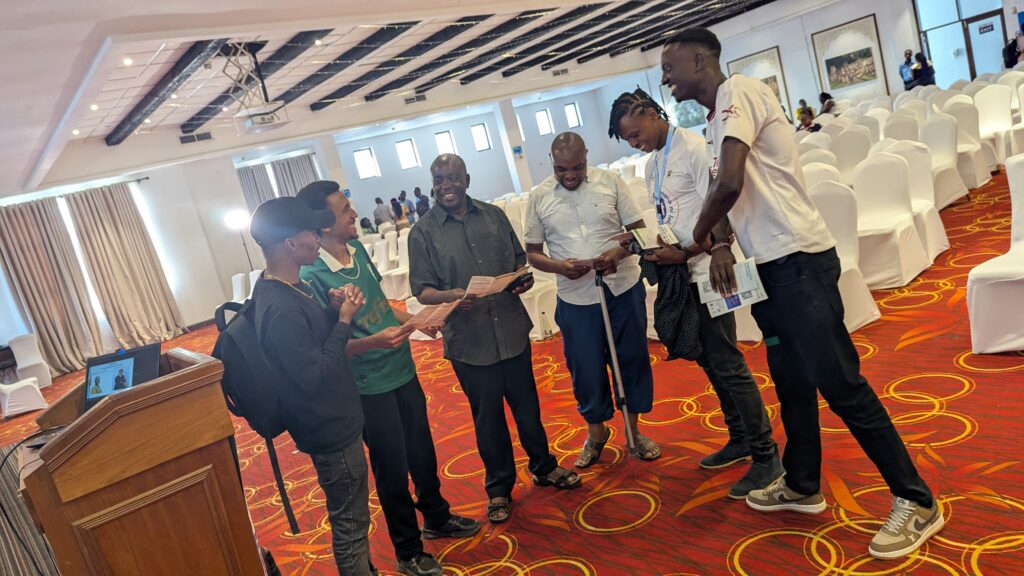
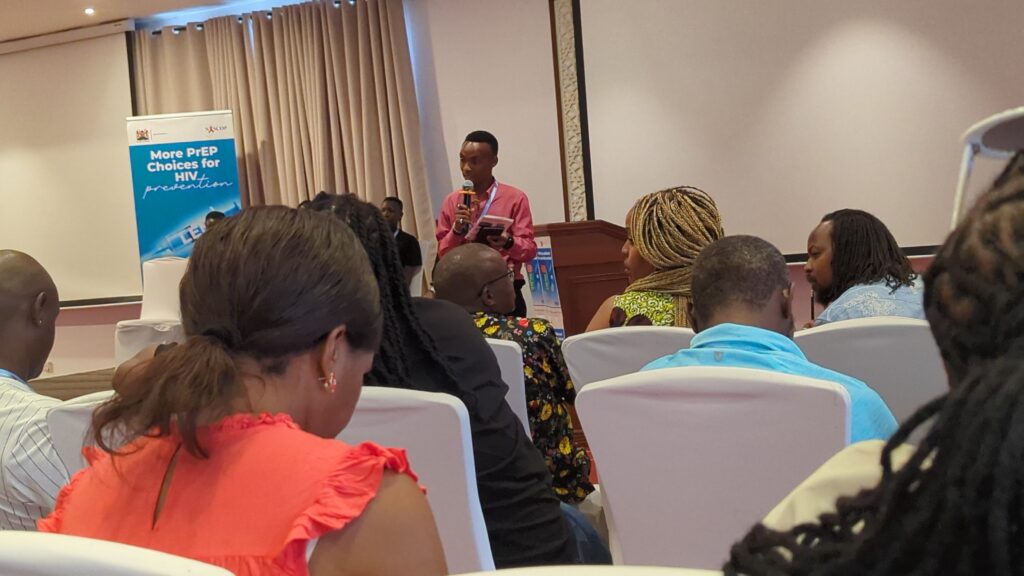
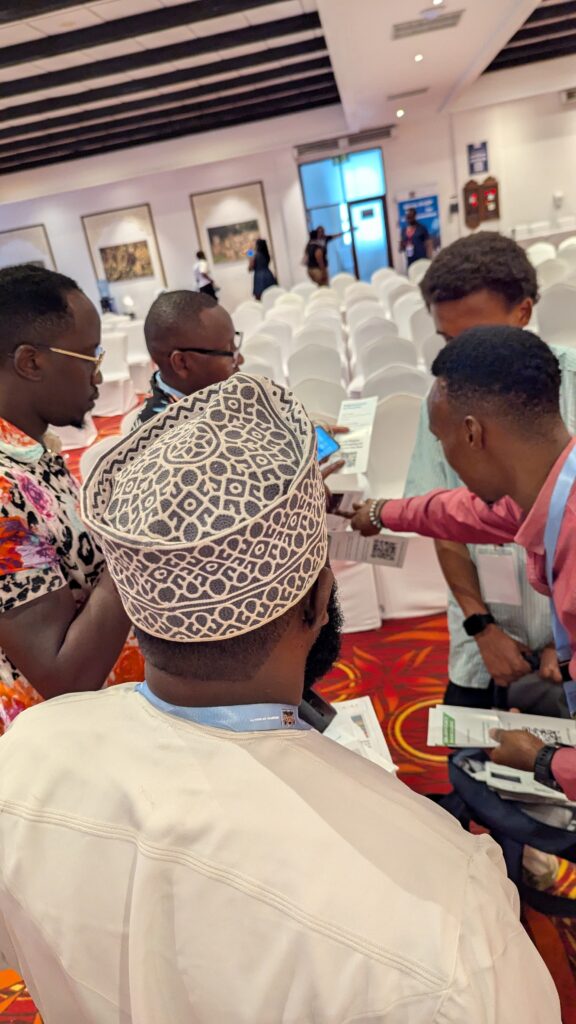
The Kenya Health Integration Summit (HIS) 2026, convened by Kenya’s Ministry of Health (MoH) through the National AIDS and STIs Control Programme (NASCOP) from 15–19 March 2026 in Mombasa, marked a significant milestone in the country’s transition toward a more integrated and sustainable health system. Held under the theme “Health Without Barriers for a Holistic HIV Response,” the summit brought together over 700 participants, including representatives from national and county governments, healthcare providers, development partners, donors, civil society organizations (CSOs), community-led networks, the private sector, researchers, innovators, and select government representatives from other countries.
This brief explores how Kenya is progressing with integration and what needs to be protected to ensure it strengthens existing gains rather than diminishing them. Kenya’s experience mirrors broader shifts across many low- and middle-income countries (LMICs), where changes in global funding and a growing focus on country ownership are driving health system reforms.
The push toward integration in Kenya is rooted in structural shifts within the health system over the past two decades. While substantial donor investments have strengthened the HIV response, much of this progress has been delivered through parallel, disease-specific systems that are not fully embedded within national health structures. This resulted in fragmented service delivery, limited interoperability across digital and reporting systems, and inefficiencies in patient management and resource use. At the same time, evolving financing dynamics have increased expectations for governments to sustain these gains. Persistent coordination challenges between government, civil society, and implementing partners have further exposed risks to continuity and equity. In this context, integration has emerged not only as a strategic reform but as a necessary pathway to strengthen system coherence and long-term sustainability
The summit demonstrated strong government leadership in advancing this agenda. More than 20 national policies and operational guidelines were launched, covering HIV prevention, treatment, and care; TB; malaria; viral hepatitis; and system components such as adherence support, community-based care, communications and integrated service delivery. These developments reflect a coordinated effort to align national priorities across disease areas and service platforms. The summit also emphasized digital transformation, including a unified health information system under the principle of “One Patient, One Record,” anchored on an integrated “information superhighway”, a fullyful ly interoperable system enabling real-time data sharing across levels of care. Together, these shifts signal a clear national direction toward a more efficient, coordinated, and resilient health system.
However, the summit also highlighted key implementation realities. While the direction at the national level was clear, progress at the sub-national levels remained uneven, with some counties reporting low levels of integration achievement estimated at around 10 percent in certain areas. Emerging models, such as facility-level integration and rollouts of the Electronic Community Health Information System (eCHIS), demonstrated practical pathways forward. At the same time, they revealed a gap between national policy ambition and local readiness. In many instances, facility-level integration was primarily the work of hospital management and did not adequately include bring in community representation. This underscores the need for sustained investment in county-level capacity, infrastructure, meaningful community involvement and workforce adaptation to translate policy into practice. These observations reflect the complexity of system transition rather than gaps in intent.
As roll-out and implementation discussions deepened, a recurring concern was the visibility and role of communities within the integration framework. While communities were acknowledged, participants noted that their role was not consistently reflected in the broader strategic framing. This raised questions about how community-led approaches will be positioned within an integrated system. These include peer-led service models and community-led monitoring (CLM). CLM is defined as systems through which communities collect and use data to improve service accountability. Key Populations (KPs) did say that a transition process leading into integration was key, as MoH had gone straight into implementation of integration with no consultation on the processes and the various models of integration that are there, more so those that work for Key Populations (KPs). Encouragingly, national bodies, including the National Syndemic Disease Control Council (NSDCC), formerly the National AIDS Control Council (NACC) and NASCOP, are committed to convening ongoing dialogues with communities to address emerging issues as the integration process continues to evolve, as the voice of communities in integration is key as part of the response
Perspectives on integration varied across stakeholders. The Government and some groups expressed confidence in the direction and potential efficiencies of integration, while others raised concerns about pace, sequencing, models being propagated and implications for specialized services and populations. Strong calls, particularly from TB stakeholders emphasized the need for a phased, step-by-step approach rather than rapid consolidation. A central question raised was whether accelerated integration into primary health care could risk undermining gains achieved in TB outcomes. The Key Population (KP) and Vulnerable Population (VP) National Implementation guidelines were also not launched alongside other policies, as Key Population (KP) stakeholders had not reached an agreement on whether to consolidate their issues with those of vulnerable populations, as the merger of the two (2) populations was due to the funding support to the programme. The issues of persons with disabilities (PWDs) and elderly populations were less prominently reflected, as the primary focus remained on youth, key populations (KPs), vulnerable populations (VPs) and EMTCT. Additional concerns included how HIV services will be positioned within the Social Health Insurance framework, and how CLM can be effectively integrated into the emerging digital ecosystem. Moreover, there was a feeling that the accelerated integration process, which has no safeguards, would crowd out communities and prevention effortswill crowd out communities and prevention. These perspectives highlight that integration is not a single event or a series of successful policy launches, but a process requiring deliberate and context-sensitive implementation
At a broader level, the summit reflected shifting dynamics in global health governance. There is a clear push to move away from parallel, donor-driven systems toward nationally owned and coordinated approaches. At the same time, this transition is unfolding alongside ongoing debates about accountability, oversight, and the role of external safeguards, as well as around accountability, oversight, and the role of external safeguards, as well as looking at the support needed for an efficient Human Resources for Health (HRH) mechanism. In some contexts, integration intersects with the question of whether community-led mechanisms should remain independent or be incorporated into government systems. These tensions highlight the need to balance efficiency with transparency and coordination, while preserving independent community voices. The discussions also reinforced the importance of tools and platforms that support transparency, coordination, and accountability. Approaches such as real-time data sharing, policy tracking, and accessible guidance can help bridge the gap between national systems and community actors. These mechanisms are critical to ensuring that integration remains responsive, evidence-based, and inclusive.
For countries considering similar reforms, several lessons emerge:
- Integration should be approached not only as a system reform but as a process that requires attention to equity, service quality, and community trust.
- National strategies must be matched with local implementation readiness, including investments in infrastructure, Human Resources for Health (HRH), and systems.
- As we look at the various programme transition and integration models, meaningful community engagement, in all its diversity, across all diseases, needs to be factored in, as it is communities who access healthcare services at all in all its diversity across all diseases needs to be factored in, as it is communities who access healthcare services from the various levels of healthcarehealth care.
- It is essential to maintain disaggregated data to ensure visibility of all populations and to establish clear guardrails that protect prevention efforts and community-centered approaches.
Kenya’s experience shows that integration is both essential and possible. The key task now is to implement it in ways that protect prevention gains, maintain community trust, and strengthen, rather than weaken, existing systems. How this balance is achieved will influence not only Kenya’s outcomes but also guide integration pathways throughout the region.
More resources about integration: Find more information about integration and the role of communities in the COMPASS Africa and KP-TNC’s study of KP leadership in shaping integration; the Communities Delegation to the Global Fund Board’s policy paper on integration; and GNP+ PLHIV Integration Minimum requirements; The new Kenya HIV Integration Framework is found here;