

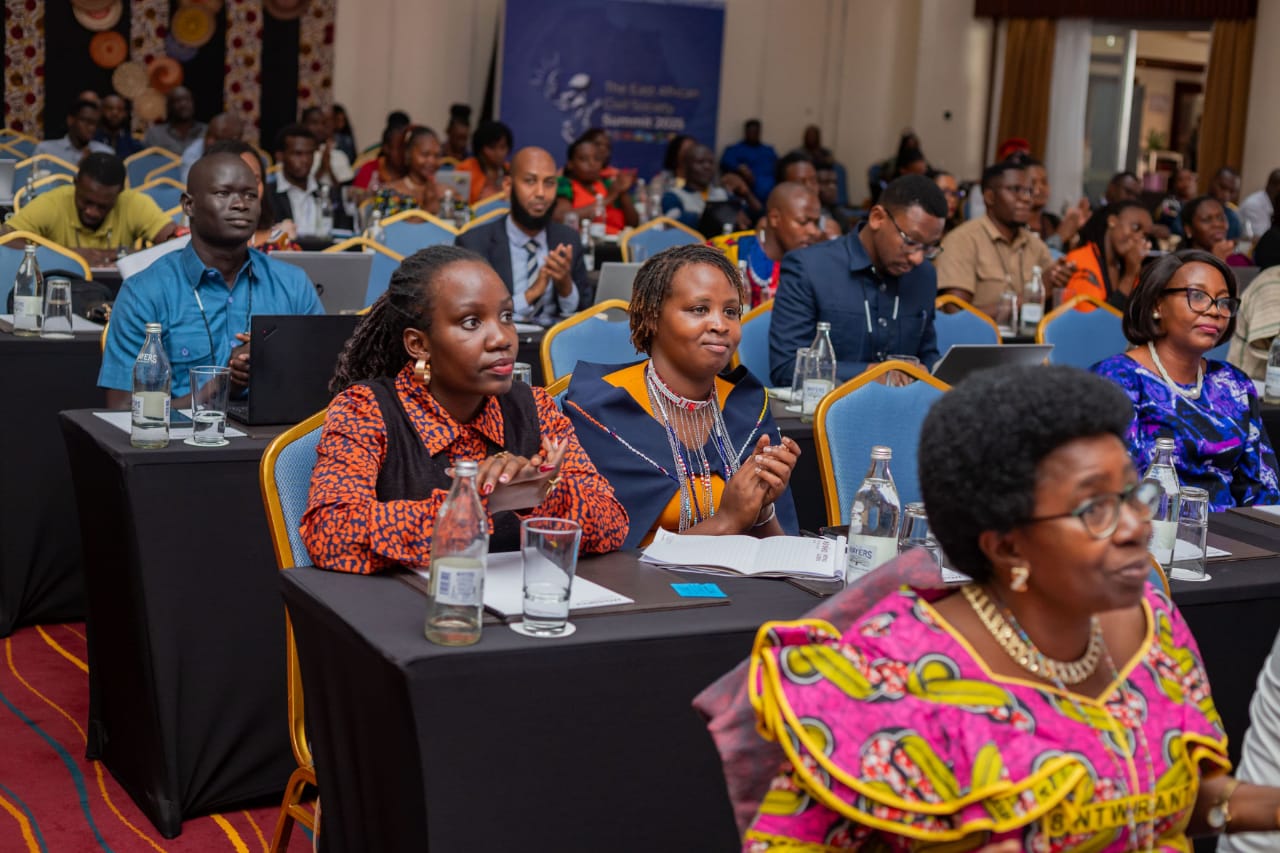
Nairobi, October 2025 — The East African Civil Society Organizations’ Forum (EACSOF) convened its 2025 Citizen Summit from 29 September to 1 October at the Mövenpick Hotel, Nairobi, bringing together civil society leaders, development partners, and government officials from across the East African Community (EAC). The three-day forum explored pathways to deepen regional integration through digital transformation, governance, peacebuilding, and citizen participation under the theme “Unlocking East Africa’s Digital Future.”
The Summit opened with a strong focus on innovation and data governance, featuring keynote remarks by Pan-African technology entrepreneur Tonee Ndungu and contributions from GIZ, the European Union, and the EAC Secretariat. Discussions centered on the role of artificial intelligence and data-driven advocacy in advancing regional integration. However, while the sessions reflected growing momentum around technology and governance, they offered limited attention to how digital transformation could strengthen public health systems, cross-border disease surveillance, or community health resilience—an omission that several delegates viewed as a significant gap.
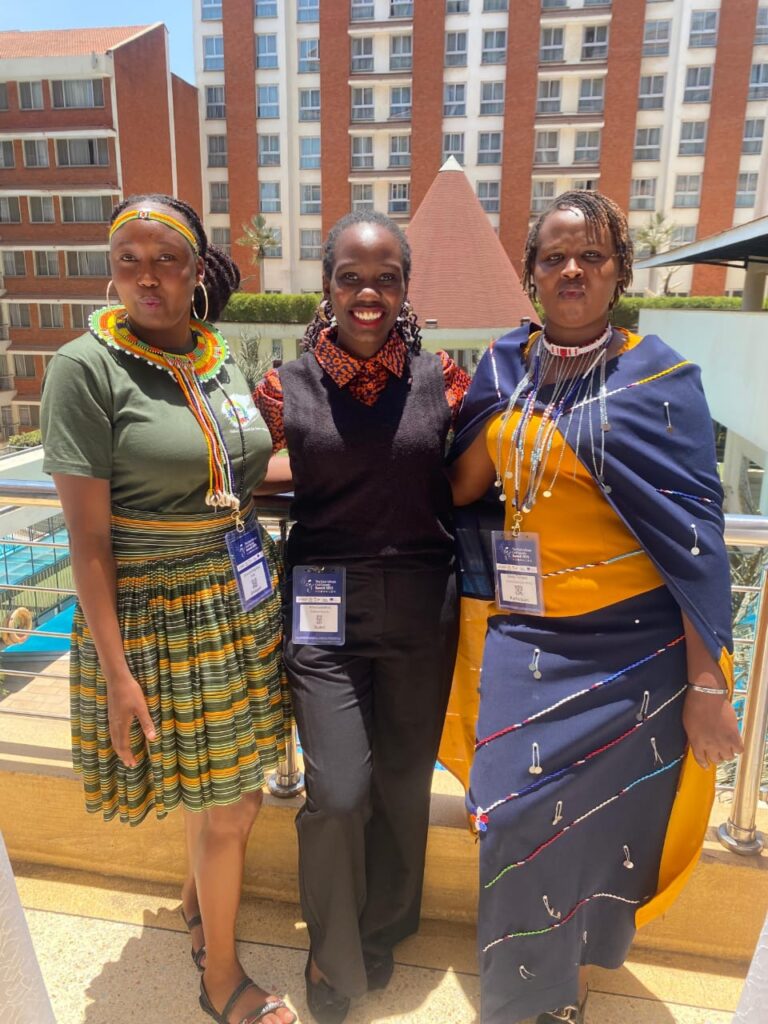
Governance, transparency, and inclusion dominated the second day, led by Transparency International, Article 19 EA, and the Tanzania Human Rights Defenders Coalition. Panels such as Women Engineers Powering East Africa’s Future and Youth Driving Digital Innovation highlighted the central role of women and youth in shaping a progressive regional agenda. Consolation East Africa (CEA) was represented by Emily Tumpes, who welcomed the robust discussions on Sexual and Reproductive Health and Rights (SRHR) but observed that these were not framed within the broader health transition context—particularly in relation to HIV sustainability, Universal Health Coverage (UHC), and the growing burden of Non-Communicable Diseases (NCDs) across the region.
EmilyTumpes further noted that a deliberate focus on digital health which has immense potential to reduce costs and transform health service delivery could help governments struggling to finance their health sectors. Embedding digital health innovations into EAC regional frameworks, she emphasized, would enhance efficiency, strengthen health data systems, and improve service delivery, particularly for chronic conditions such as NCDs that require long-term, coordinated care.
The Summit concluded with reflections from partner states and development agencies, and a keynote speech delivered by the representative of the Prime Cabinet Secretary Musalia Mudavadi, who called for renewed commitment to citizen-centered integration. While the closing communiqué reaffirmed civil society’s role in governance and economic cooperation, it remained silent on the future of regional health systems, HIV, pandemics and NCD responses, and social protection frameworks.
Observers warned that excluding health from such a strategic platform risks undermining the sustainability of East Africa’s integration efforts. As countries face Global Fund and PEPFAR funding transitions, failure to integrate HIV, pandemics surveillance, NCDs, digital health, and broader health system priorities could erode progress in HIV prevention, pandemic preparedness, and community-led accountability. Civil society leaders reiterated that East Africa’s integration cannot be genuinely people-centered if it neglects health—the cornerstone of human development and socioeconomic stability.
In conclusion, while the 2025 EACSOF Citizen Summit showcased progress in governance, technology, and inclusion, it also exposed a crucial policy blind spot. To build a resilient and equitable East African Community, future EACSOF dialogues must position health including HIV, PPPR, NCDs, digital health innovation, and sustainable financing at the core of the regional integration agenda.