

April 30th, 2026, Nairobi, Kenya
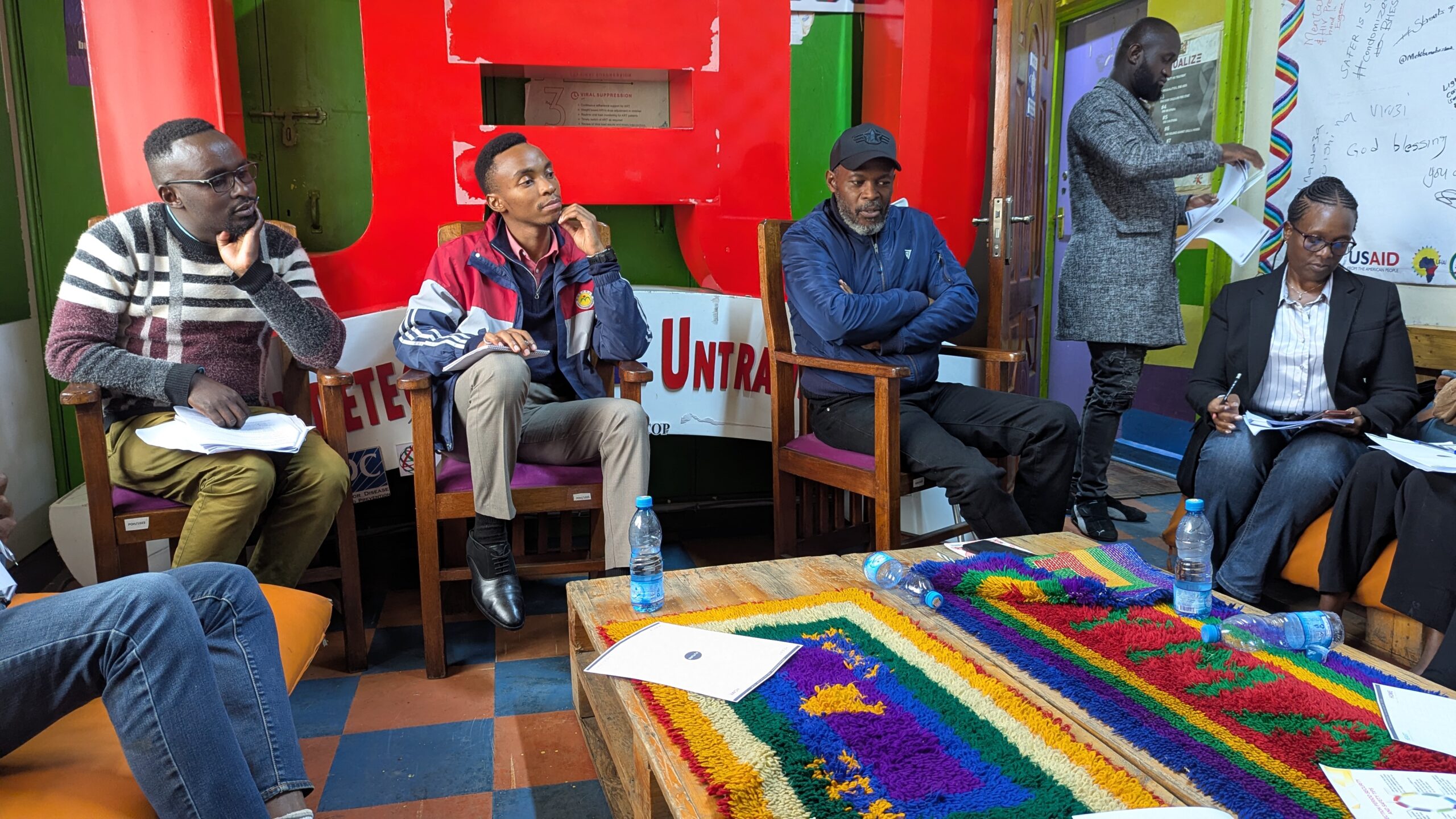
Victor Adula from Consolation East Africa was a key facilitator for LA-PrEP HCD joining other team members including Solo of KPC, Paschal and Sammy Anyula (HOYMAS), Samson (Mr. Len-Kenya), Maureen (GBGMC), and Muko (AVAC). The session served as a pivotal moment to reflect on participant experiences, celebrate early successes, and outline strategic directions for future HIV prevention initiatives. The workshop was held at HOYMAS.
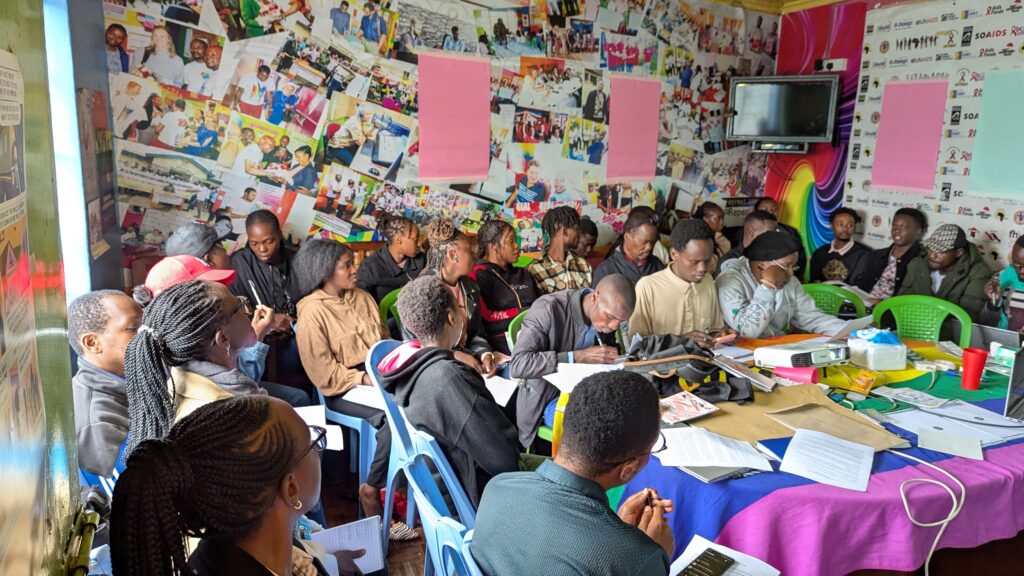
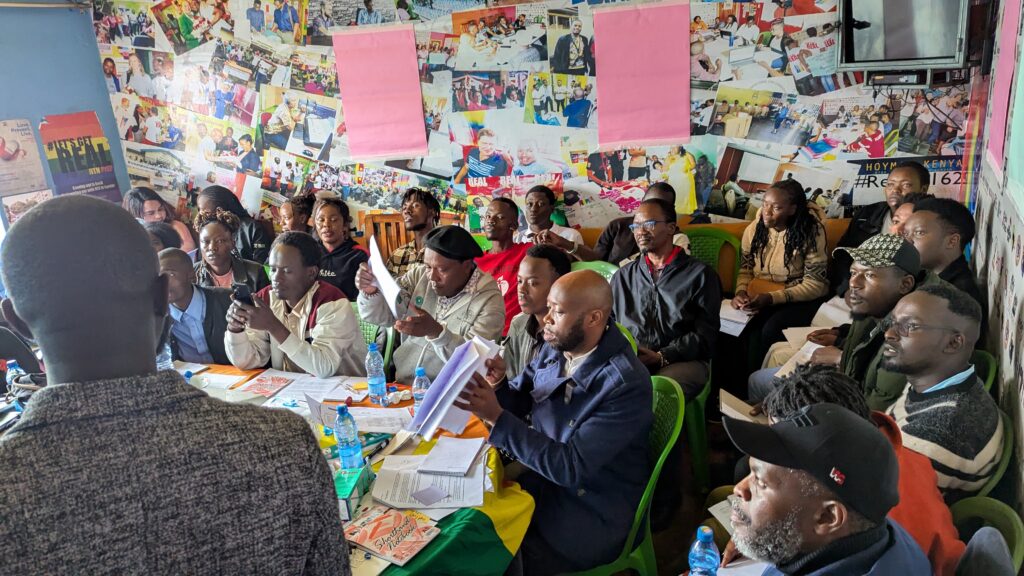
Participants at the HCD workshop held at Hoymas
Creating Safe Spaces and Delivering Immediate Impact
A central strength of the workshop was its welcoming environment, which fostered open, honest dialogue among community members representing diverse key population groups. By establishing trust early on, participants felt empowered to share lived experiences and ask candid questions about emerging HIV prevention options.
Crucially, the workshop integrated real-time health services on-site. Beyond engaging in qualitative discussions, participants accessed daily oral PrEP, PEP, and routine consultations throughout the day. In an exciting, unexpected outcome, six participants voluntarily initiated Lenacapavir (LEN) on the spot, demonstrating the powerful impact of bringing accessible clinical care directly into community spaces.
Key Insights and Addressing Knowledge Gaps
While enthusiasm for long-acting options remains high, the debrief highlighted critical areas where public education and messaging must be strengthened:
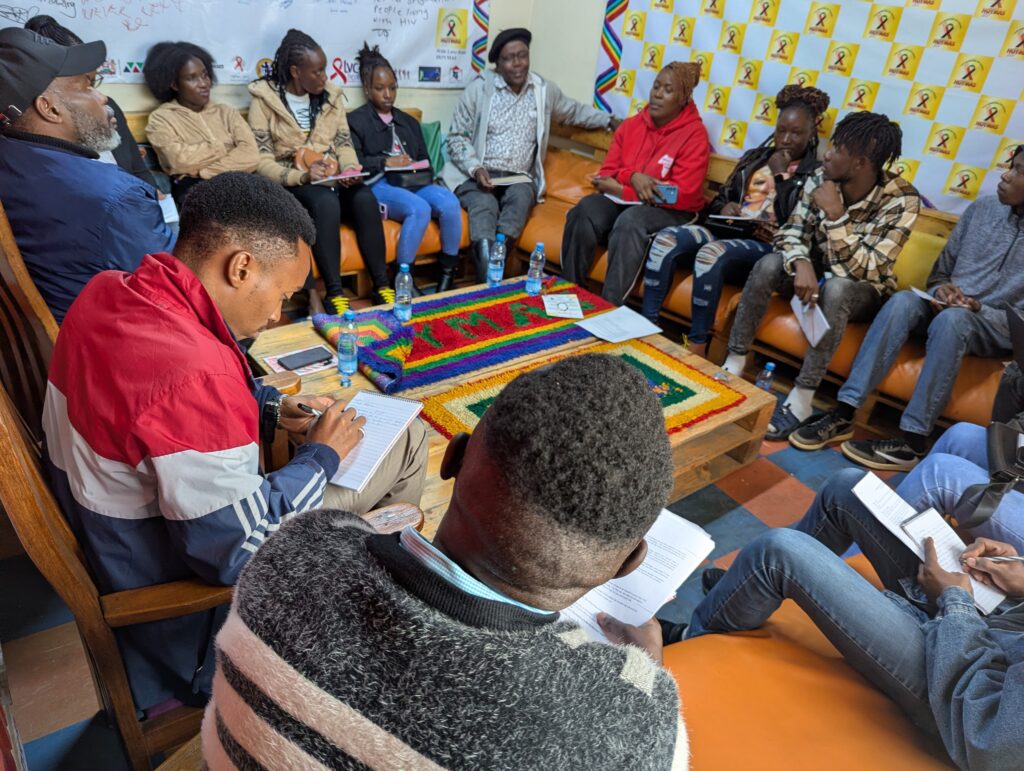
Group Discussion: Sam the first LEN Client in Kenya and East Africa providing LEN perspectives
- Holistic Education Over Product-Centric Messaging: There is an urgent need to move beyond focusing solely on individual commodities and instead address HIV risk holistically within real-life contexts, such as transactional sex, substance use, and multi-partner dynamics.
- Clarifying Protection Timelines and Loading Dynamics: Significant confusion exists around how long different PrEP options take to reach full efficacy. For instance, while daily oral PrEP used on-demand provides rapid anal protection within hours, vaginal protection requires consistent lead-in dosing. Similarly, long-acting options carry distinct initiation dynamics; CAB-LA requires an initial loading period of approximately 7 days to reach optimal protection, whereas LEN involves a structured initiation protocol with booster dosing.
- Understanding Modality Limitations: Participants noted clarity gaps regarding localized versus systemic protection. For example, messaging must clearly communicate that the Dapivirine Vaginal Ring (DVR) offers localized tissue protection only, and does not extend to anal or oral exposure.
- Hormonal Interactions: Community members voiced concerns regarding potential interactions between PrEP modalities and Gender-Affirming Hormone Therapy (GAHT). Addressing these uncertainties is essential to ensuring trans and gender-diverse individuals feel confident in their prevention choices.
- Localized, Accessible Language: Technical medical jargon remains a barrier to recall. Workshop participants strongly advocated for simplified, community-friendly terms in Swahili and Sheng favoring terms like “LEN” or “PrEP ya kudungwa” (injectable PrEP) over clinical terminology.
- Balancing Method Visibility: Current messaging is heavily skewed toward recent LEN launches, leaving options like CAB-LA and daily oral PrEP underrepresented. Expanding facility- and community-level awareness materials for CAB-LA is critical to offering true informed choice.
Recommendations and Moving Forward
To address operational challenges such as single-day time constraints and the need for deeper representation of underrepresented groups like women who use drugs the team outlined key recommendations:
- Extend Future Workshop Formats: Expand session durations to enable deeper exploration of complex behavioral realities and increase direct end-user representation.
- Develop Nuanced Communication Materials: Produce accessible educational resources in Swahili/Sheng that clearly explain effectiveness timelines, method transitions, and STI risk mitigation.
- Sustain Community Engagement: Maintain dedicated digital platforms, such as WhatsApp groups, to ensure continuous peer learning, information sharing, and support long after initial product launches.
- Elevate Community Insights to Advocacy Spaces: Feed findings on demand creation gaps and supply chain continuity directly into national Technical Working Groups to ensure sustained government commitment and stock reliability.
By translating community-led insights into actionable advocacy and tailored communication strategies, we continue our commitment to building inclusive, effective HIV prevention programs shaped directly by the people they serve.