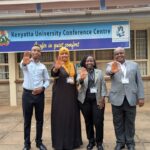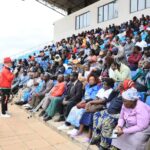


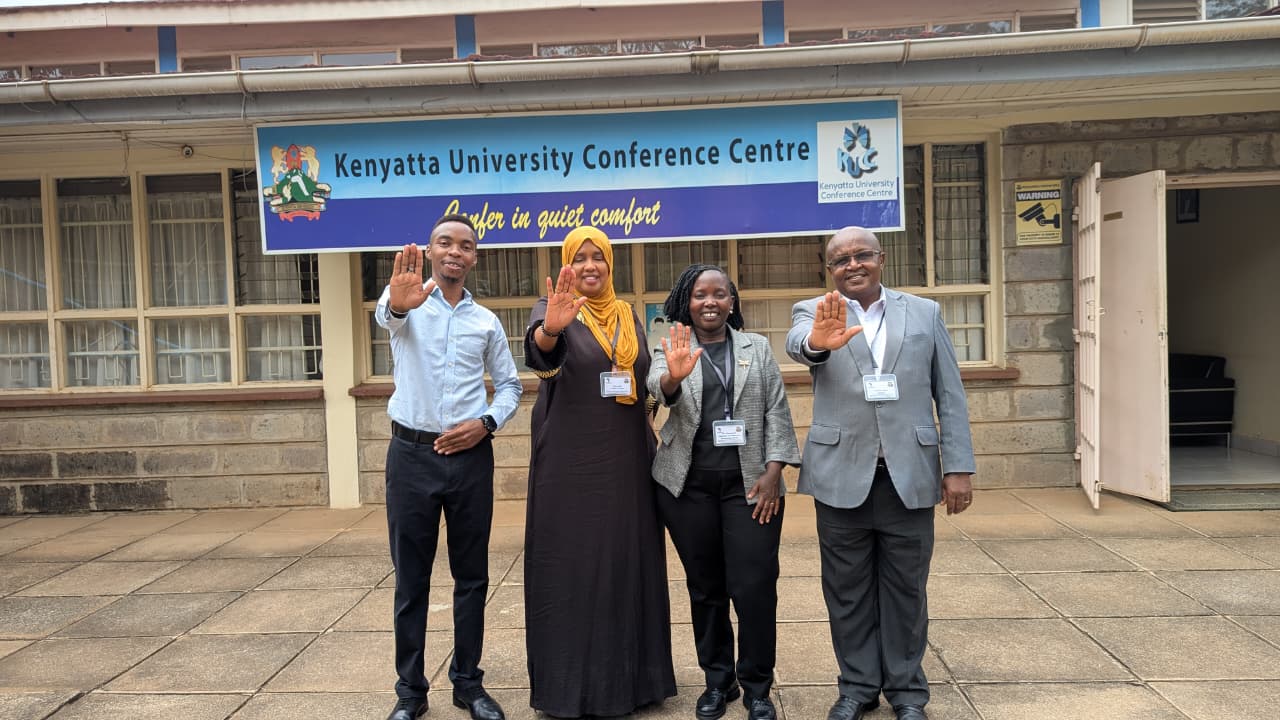
Nairobi, Kenya — Consolation East Africa (CEA) actively participated in the National Dialogue on Climate-Induced Migration and Mobility, bringing frontline expertise on youth protection, health access, and social accountability to the national policy table at Kenyatta University on 21st and 22nd September 2026.
As climate shocks—from severe droughts in Kenya’s ASALs to catastrophic flooding in South Sudan—continue to force pastoralist communities and young people into unplanned displacement, CEA emphasized the urgent need to integrate health delivery and human rights into county-level climate frameworks.
  [ Climate & Disasters ] ──► [ Unplanned Displacement ] ──► [ Youth & Health Risks ]
                                                                       │
  [ Policy Integration ]  ◄── [ CEA & NAHUSOM Advocacy ] ◄─────────────┘
A Unified Voice: NAHUSOM Network Engagement
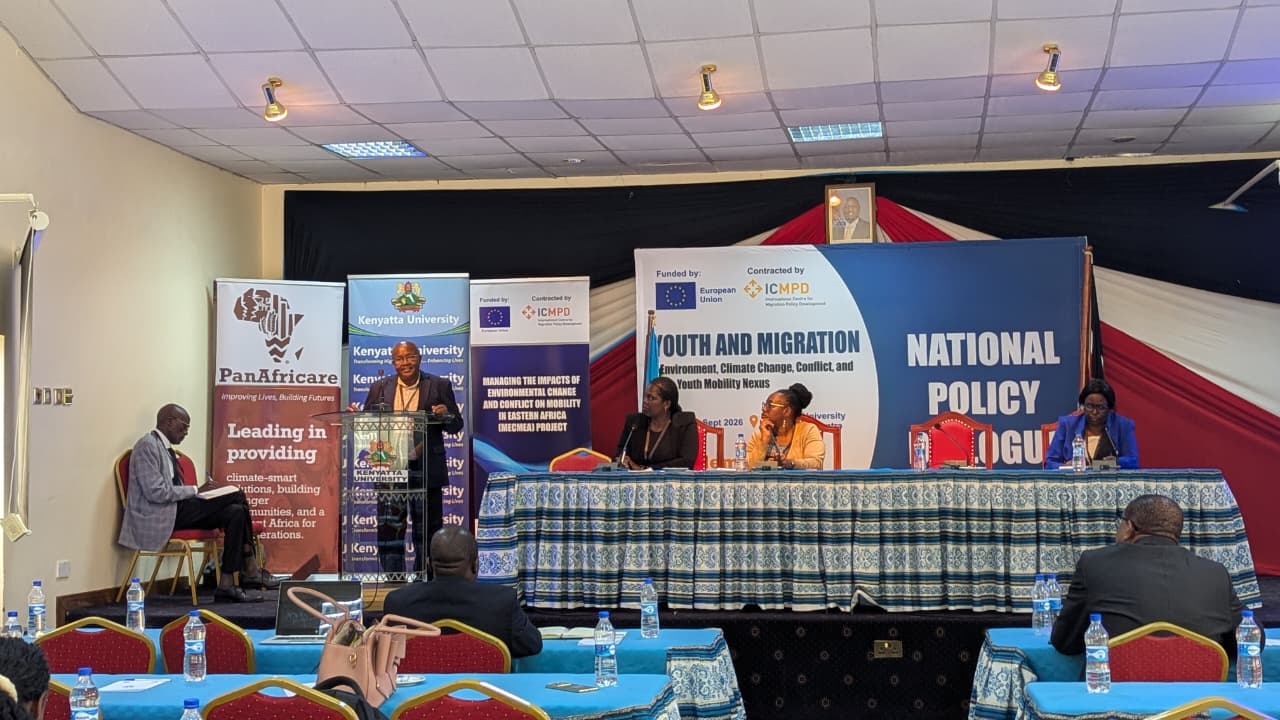
CEA was joined by fellow members of the National Coalition Against Human Trafficking and Smuggling of Migrants (NAHUSOM) to deliver a unified message on migrant rights, anti-xenophobia, and host-community integration:
- Consolation East Africa (CEA): Advocated for non-discriminatory health access along migration corridors, specifically championing youth-friendly Sexual and Reproductive Health and Rights (SRHR), HIV prevention options like PrEP, and mobile health delivery.
- Counter Human Trafficking Trust East Africa (CHTEA) – Represented by Mutuku: Addressed the vulnerabilities surrounding human trafficking and migrant smuggling. Mutuku highlighted that trafficked youth and undocumented migrants require legal protection and social safety nets rather than criminalization, while calling on Civil Society Organizations (CSOs) to build host-community acceptance and counter xenophobia.
- Candle of Hope Foundation – Represented by Nimo: Contributed key field perspectives on community-led adaptation, youth empowerment, and supporting vulnerable households impacted by climate displacement across local corridors.
Key Highlights & Plenary Contribution
Across the multi-day event, discussions spanned the historical drivers of mobility, Participatory Rangeland Management (PRM), last-mile early warning systems, and economic inclusion. During the plenary and interactive group sessions, CEA and NAHUSOM partners pushed for:
- Health Policy Integration: Ensuring mobile health services, trauma care, and commodity security travel alongside pastoral transhumance routes.
- Youth Agency: Shifting the national narrative from treating youth as passive victims to recognizing them as local innovators in early warning and peacebuilding.
- Cross-Sectoral Collaboration: Strengthening the link between county climate budgets, local CSOs, and community governance structures to protect vulnerable child-headed households.
Media Spotlight: KBC & KU TV Interviews
CEA’s impactful contributions caught national media attention, featuring in television interviews with KBC and KU TV.
Speaking to the media, CEA representatives highlighted how climate shocks exacerbate youth vulnerability to trafficking and health disruptions. They called on both national and county governments to stop addressing climate adaptation, health, and migrant protection in isolated silos, urging policymakers to enforce inclusive frameworks that protect the livelihoods and rights of all mobile youth.
Consolation East Africa remains committed to turning these dialogue outcomes into actionable policy change on the ground, ensuring no young migrant is left behind.